
Grand Canyon National Park
Plan your Grand Canyon National Park trip: top sights, best hikes, when to go, where to stay, budget tips, and an itinerary by days.
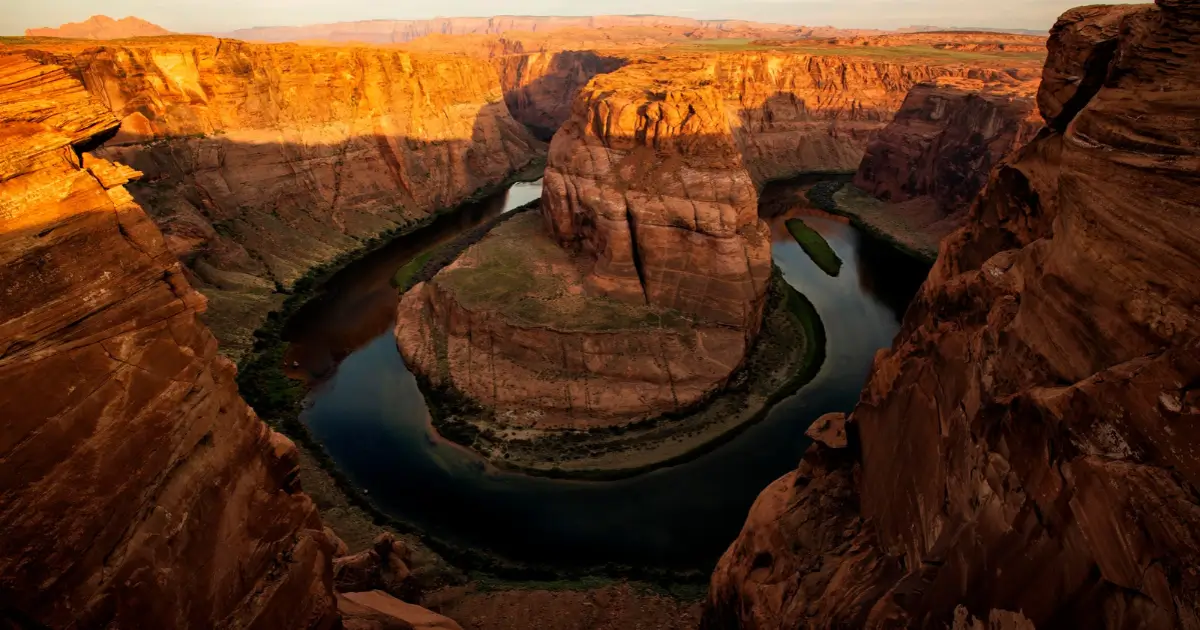
The Grand Canyon is about 277 miles long, up to 18 miles wide, and more than a mile deep, so photos rarely prepare you for it. Whether you have one afternoon or a week, this guide covers what to see, when to go, where to stay, and how to plan a trip to Grand Canyon National Park without wasting time or money.
Best places to visit in USA
Heads up before you plan: Conditions here change quickly. Flash flooding and construction have recently affected inner canyon trails and North Rim services (details below), so check the park’s official alerts page at nps.gov/grca before you book and again before you leave.
Why Visit Grand Canyon National Park?
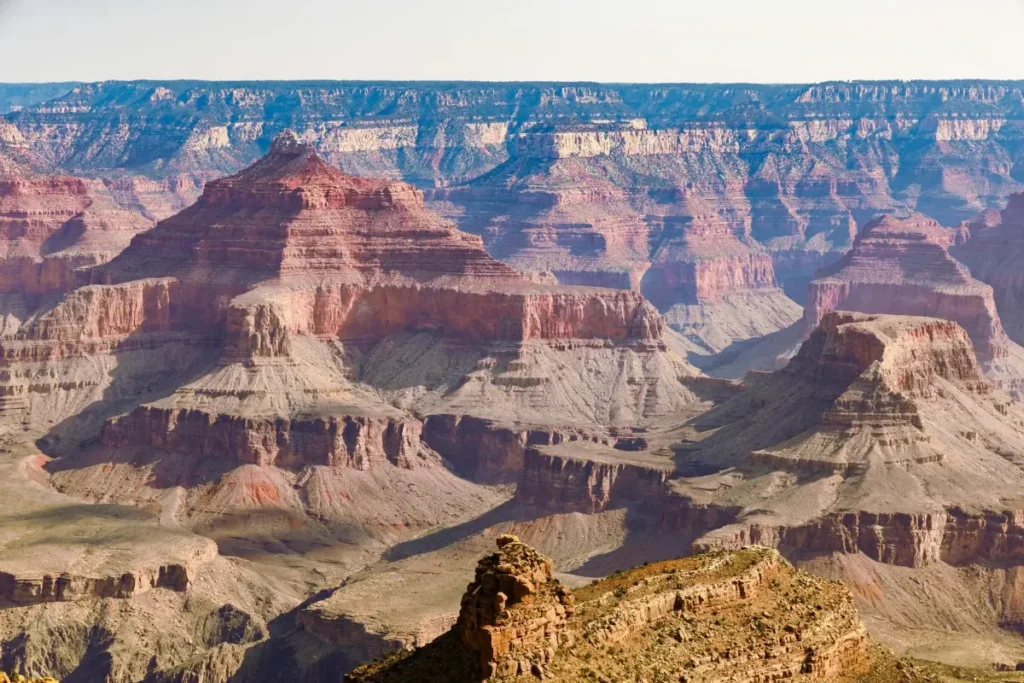
Few places make you feel as small as this one. Layers of rock exposed in the canyon walls record roughly two billion years of geologic history, and the light changes the view hour by hour. Sunrise turns the walls orange, midday reveals the depth, and sunset sets the whole canyon glowing.
It’s also an easy park to enjoy at any fitness level. The South Rim is open all year, which makes it a reliable choice in every season. You can stand at a paved overlook with a coffee or descend thousands of feet on foot.
Best Things to Do in Grand Canyon National Park
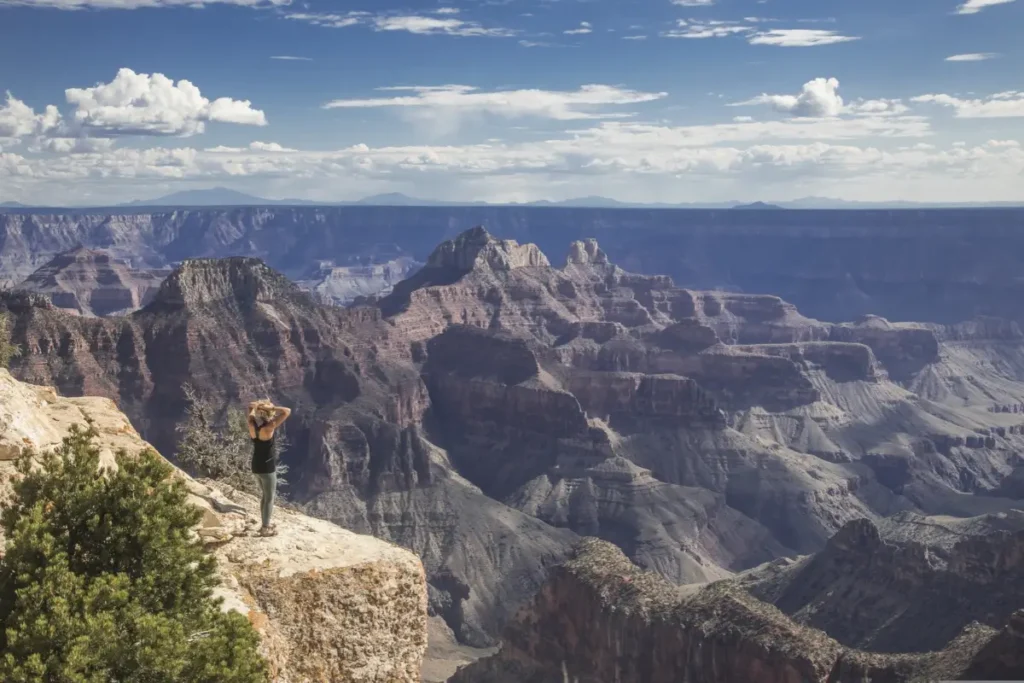
Top Attractions in Grand Canyon National Park
- Mather Point and Yavapai Point: Most visitors’ first view, close to the Visitor Center. The Kaibab Rim (Orange) shuttle route links the Visitor Center with Mather Point, Yavapai Geology Museum, Yaki Point, and the South Kaibab Trailhead.
- Rim Trail: A mostly flat, 13-mile path along the edge that you can walk in any section, with plenty of viewpoints.
- Hermit Road (Hermits Rest): A scenic western stretch of the South Rim reached by shuttle. Shuttle schedules change seasonally, so check current times.
- Desert View Drive: The eastern route, with six developed canyon viewpoints and the Desert View Watchtower. It’s best done by car.
- Sunrise and sunset: Yaki Point, Hopi Point, and Mather Point are popular choices. Arrive early for a good spot.
- Mule rides, rafting, and ranger programs: These sell out in peak season, so book ahead.
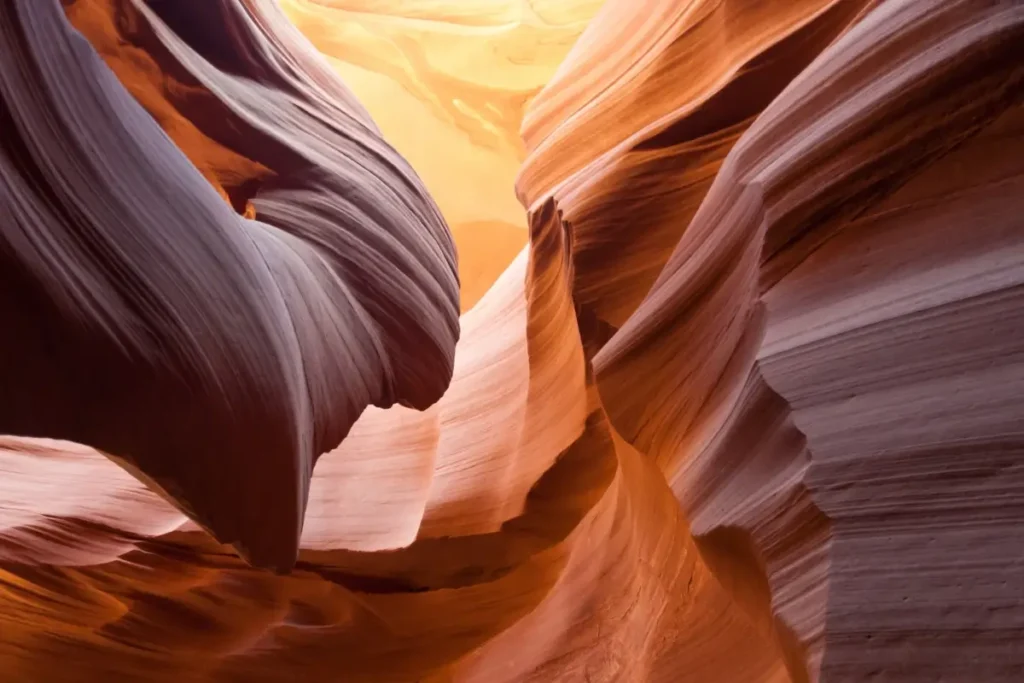
The North Rim: It’s quieter, higher, and cooler. Only about 10% of Grand Canyon visitors make it there. The 2026 season was limited, though. The park focused mainly on day use and limited backcountry access, and overnight lodging inside the park on the North Rim was unavailable. Services were also winding down by mid-October: the General Store closed on October 15 and the campground on October 16. If you’re considering the North Rim, confirm what’s open before you commit.
Best Hiking Trails in Grand Canyon National Park
The golden rule: going down is optional, coming up is mandatory. The climb back out takes about twice as long as the descent. Don’t try to hike from the rim to the river and back in a single day.
- Bright Angel Trail: The classic. The trailhead sits at 6,840 feet, just west of Bright Angel Lodge. It has rest houses with seasonal water, shade in spots, and good turnaround points. A short out-and-back to the first rest house is a great beginner hike.
- South Kaibab Trail: Steeper, with sweeping views from the start, but no water along the route. There’s no public parking at the trailhead, so park at the Visitor Center and take the shuttle (about nine minutes). Ooh Aah Point and Cedar Ridge make excellent short day hikes.
- Rim Trail: Perfect for families, sunset strolls, and easy mornings.
- North Kaibab Trail: Remote and demanding, but its status has been unstable. It reopened for foot traffic only in May 2026 with ongoing repairs, and traditional rim-to-rim hiking became impossible after October 15, 2026, when a section closed for waterline rehabilitation.
Current inner canyon conditions: Reports from the past few months describe flash flood damage that closed Phantom Ranch, Bright Angel Campground, and the full North Kaibab Trail, with further closures on the lower parts of the South Kaibab and Bright Angel trails. Before planning anything below the rim, check the park’s trail conditions page. In winter, snow and ice are common on the upper trails, and slip-on traction devices and trekking poles are recommended.
Best Time to Visit Grand Canyon National Park
- Spring (March–May): Mild temperatures and fewer crowds early on. Weather can swing from sunny to snowy.
- Summer (June–August): Peak season with the biggest crowds. Rim temperatures are pleasant, but the inner canyon can top 100°F. Afternoon monsoon storms bring lightning and flash flood risk.
- Fall (September–November): Many people’s favorite, with cooler days, stable weather, and thinner crowds. The North Rim season ends in this window.
- Winter (December–February): Snow-dusted views and the fewest visitors. Expect cold, icy trails, and shorter days.
If you want the best balance of weather and crowds, aim for late April to May or late September to October.
Where to Stay Near Grand Canyon National Park
Inside the park (South Rim): Historic lodges like El Tovar and Bright Angel Lodge put you steps from the rim, but they book up far in advance, sometimes a year ahead. Mather Campground and Desert View Campground offer camping, and cancellations often appear online, so keep checking.
Tusayan (about 1–7 miles from the South Entrance): The most convenient gateway town, with hotels, restaurants, and a shuttle in some seasons. It’s pricier than towns farther away.
Williams (about 1 hour south): A charming Route 66 town with budget motels and the Grand Canyon Railway.
Flagstaff (about 1.5 hours south): A lively college town with the widest range of lodging and dining. It makes a good base if the rim lodging is sold out.
North Rim area: With no overnight lodging in the park during 2026, look at Jacob Lake or Kanab, Utah, and always check current availability before you plan around the North Rim.
Grand Canyon National Park Travel Tips
How to Get to Grand Canyon National Park
- By car: Driving is the most flexible option. The South Rim is roughly 1.5 hours from Flagstaff, 3.5–4 hours from Phoenix, and about 4.5 hours from Las Vegas.
- By air: Fly into Las Vegas, Phoenix, or Flagstaff, then drive. Small airports and scenic flights operate near Tusayan.
- By train: The Grand Canyon Railway runs from Williams to the South Rim.
- In the park: Free shuttle buses serve the South Rim. Parking at popular viewpoints fills up by mid-morning, so park once and ride.
Entrance details worth knowing:
- Admission is valid for seven days.
- Reservations and timed entry aren’t required.
- Entrance stations accept credit and debit cards only, so don’t count on cash.
- Non-US residents pay an extra $100 per person on top of the standard entrance fee. Fee-free days now apply only to US citizens and residents.
How to Explore Grand Canyon National Park on a Budget
- Buy the right pass. A standard entrance covers a vehicle for a week, which is cheap for a short trip. If you’ll visit other parks, an America the Beautiful annual pass can pay for itself. It covers the pass holder plus up to three additional adults traveling together. Non-US residents should compare costs, since the nonresident annual pass is $250.
- Use the free shuttles instead of paying for tours.
- Stay in Williams or Flagstaff and drive in for the day.
- Bring your own food and water. Pack a picnic and refill bottles at park water stations.
- Skip paid sunset spots. The best views are free and just a short walk apart.
- Visit in shoulder season for cheaper lodging.
Grand Canyon National Park Itinerary: How Many Days Do You Need?
One day: Arrive early, see Mather Point, walk a section of the Rim Trail, hike a short way down Bright Angel or South Kaibab, drive Desert View Drive in the afternoon, and catch sunset at a western overlook.
Two days: Add a sunrise at Yaki Point or Mather Point, a longer day hike (turnaround at a rest house or Ooh Aah Point), the Hermit Road viewpoints, and a ranger program.
Three or more days: Slow down. Add a longer hike if trails allow, a mule ride or river excursion, and time for the North Rim if it’s open. Spread the big efforts out and rest between them.
Rule of thumb: Two full days is the sweet spot for first-time visitors.
Frequently Asked Questions About Grand Canyon National Park
Do I need a reservation to enter the park? No. Reservations aren’t required and there’s no timed entry. Lodging, campgrounds, permits, mule rides, and some tours do need advance booking.
Which rim is better, North or South? The South Rim has the most services, views, trails, and year-round access. The North Rim is quieter and more remote but has a short season and limited services.
How much does it cost to enter? Check the current fee on the official park website, since prices and nonresident surcharges have changed. One standard payment covers seven days.
Can I hike to the bottom and back in one day? Not safely. Park rangers strongly discourage it. Plan an overnight stay or a shorter day hike instead.
Is the Grand Canyon Skywalk inside the national park? No. It’s on Hualapai tribal land and requires separate tickets and a long drive.
How much water should I bring? More than you think. For hikes, plan to carry plenty and eat salty snacks. On the North Rim in 2026, potable water wasn’t available and visitors had to bring their own supply.
Are the inner canyon trails open? Closures have been frequent and sometimes sudden. Check the NPS trail conditions page right before you go.