
Your Complete Zion National Park Travel Guide (Plan It Like a Pro)
Plan your trip with Your Complete Zion National Park Travel Guide (Plan It Like a Pro): top hikes, one-day itinerary, where to stay, fees, shuttle info, and insider tips.
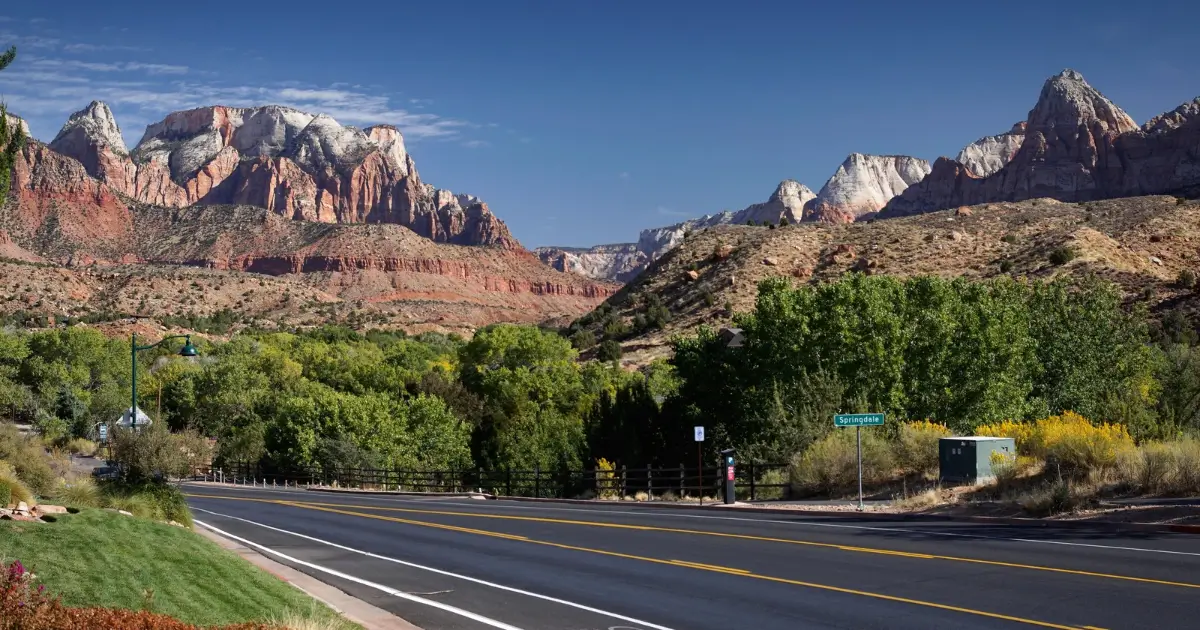
Everything You Need to Plan Your Trip
Towering sandstone cliffs, a river that cuts right through the canyon, and trails that range from stroller friendly to heart pounding. Zion National Park in southwestern Utah is one of the most popular parks in the country, and for good reason. This Your Complete Zion National Park Travel Guide (Plan It Like a Pro) covers what to do, where to stay, when to go, and how to avoid the mistakes that trip up first-time visitors.
Discover the best places to visit in the USA, from iconic cities like New York and Los Angeles to breathtaking national parks, beautiful beaches, and charming small towns. Explore the country’s top destinations and find inspiration for your next unforgettable American adventure.
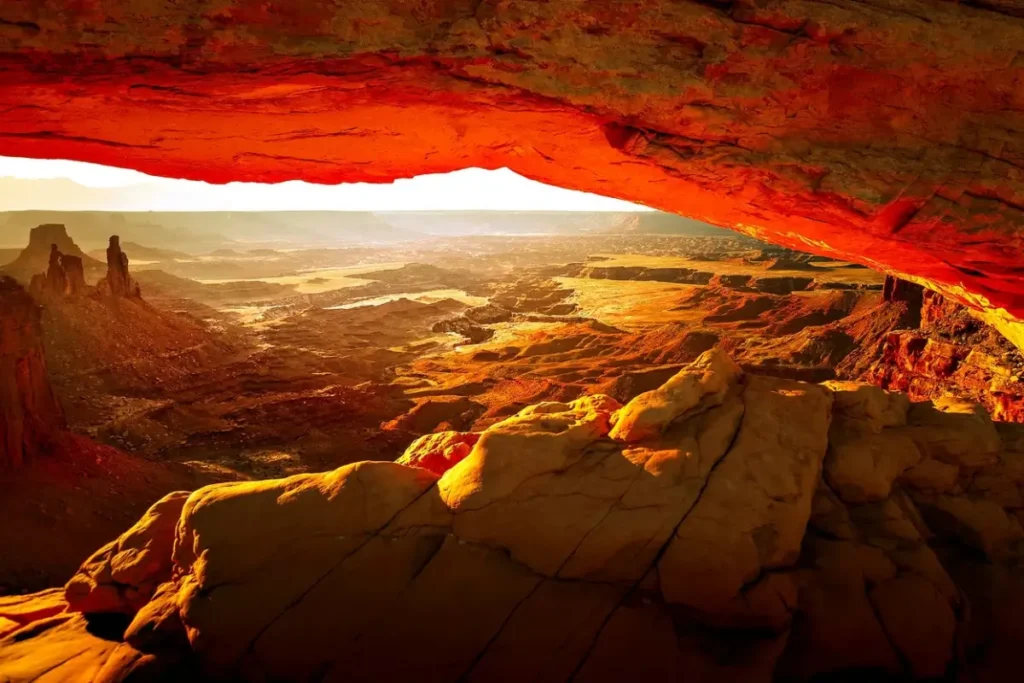
Why Visit Zion National Park?
Zion packs a lot of variety into a small space. Its canyon walls rise thousands of feet above the valley floor. You can wade up a river through a slot canyon in the morning, then watch the cliffs turn gold at sunset from a quiet viewpoint. It’s also easier to visit than many parks. Most of the main attractions sit along a single canyon road, and a free shuttle takes you to them.
Whether you want a challenging adventure or a relaxed long weekend, Zion works for both.
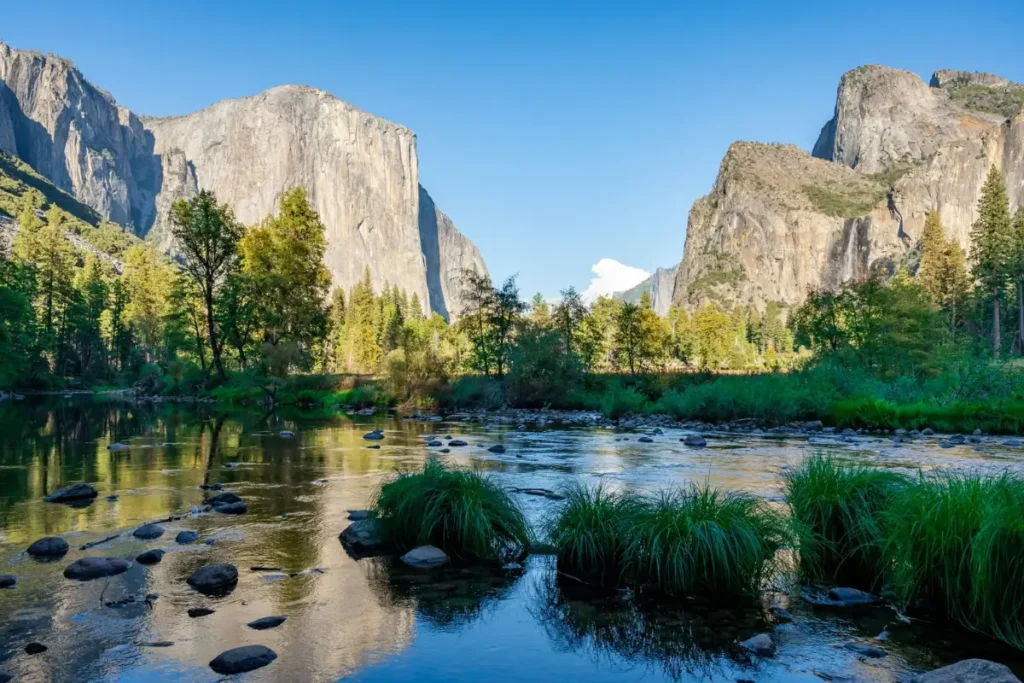
Best Things to Do in Zion National Park
- Ride the Zion Canyon Scenic Drive by shuttle. Even if you never leave the bus, the views alone are worth it.
- Walk the Riverside Walk. This easy paved path ends where The Narrows begins, and it’s good for all ages.
- Wade into The Narrows. Hiking in the Virgin River between towering walls is one of Zion’s signature experiences.
- Take the Pa’rus Trail. It’s a gentle, paved route along the river, good for walking or biking.
- Visit Kolob Canyons. This quieter section in the park’s northwest corner offers big scenery without the crowds.
- Drive the Zion Mt. Carmel Highway. It’s a scenic route through the park’s east side, with a historic tunnel.
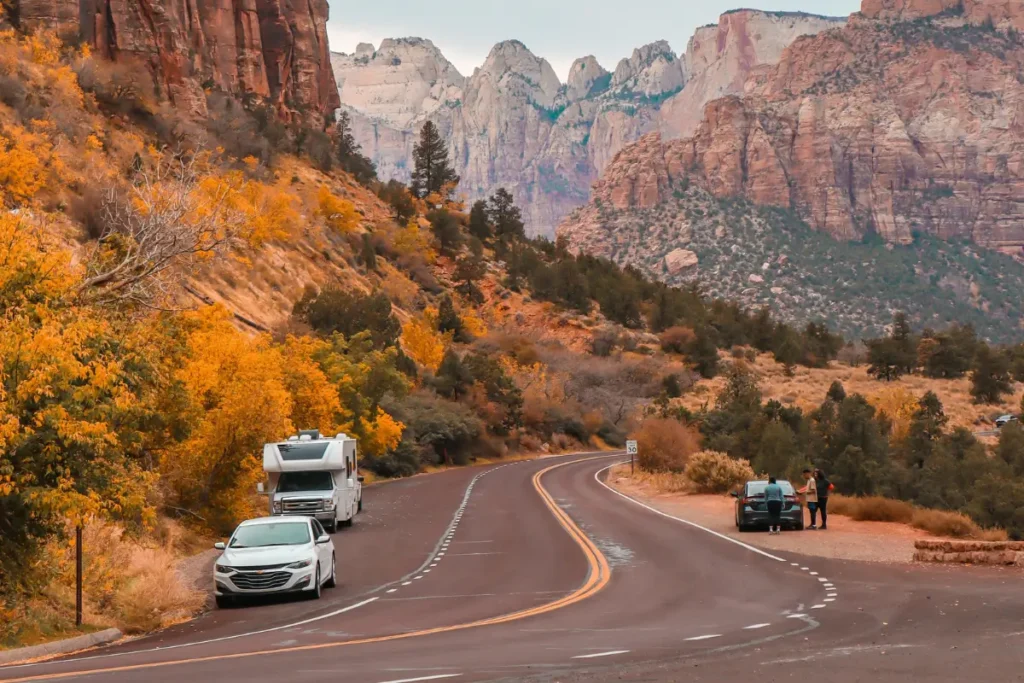
Best Hiking Trails in Zion National Park
Easy
- Riverside Walk: flat, shaded, and scenic, with the river beside you
- Lower Emerald Pool Trail: a short walk to a seasonal waterfall
- Canyon Overlook Trail: a short hike with a big payoff view, near the east entrance
Moderate
- The Narrows (bottom-up): you wade upstream as far as you like. Most people hike The Narrows from the bottom up, which needs no permit. Check river conditions first, since flash floods are a real risk.
- Scout Lookout via the West Rim Trail: a steep climb up Walter’s Wiggles to a spectacular overlook
Strenuous
- Angels Landing: this famous trail is a strenuous five-mile round trip with more than 1,400 feet of elevation gain, and the final stretch follows a narrow, exposed ridge with chains. You need a permit to hike any portion of Angels Landing, every day and at all times. More on that in the planning section below.
- The Subway: both The Subway and Angels Landing require permits awarded through a lottery.
If you don’t win an Angels Landing permit, don’t worry. You can still hike the West Rim Trail to Scout Lookout, which has great views and none of the permit stress.
Scenic Viewpoints and Photography Spots
- Canyon Overlook: a short walk from the east side with a sweeping view over the canyon
- Scout Lookout: a dramatic perch above the canyon floor
- The Court of the Patriarchs: an easy viewpoint near the Zion Lodge shuttle stop
- Along the Virgin River: golden-hour light on the cliffs reflected in the water
- The Temple of Sinawava: a peaceful spot at the end of the canyon, especially at dawn
Photo tip: Arrive early or stay late. The best light comes in the first and last hours of the day, and the crowds are thinner too.
Where to Stay Near Zion National Park
- Springdale: the town right outside the south entrance, with hotels, restaurants, shops, and a shuttle linking it to the park. It’s the most convenient base.
- Inside the park: Zion Lodge is the only in-park lodging. It books up fast, so reserve far ahead.
- Camping: Watchman Campground and South Campground are near the south entrance, and Lava Point is a more remote option. Book early in busy seasons.
- Nearby towns: Hurricane, La Verkin, and St. George offer more budget-friendly options if you don’t mind a short drive.
Best Time to Visit Zion National Park
- Spring (March–May): mild weather, flowing waterfalls, and wildflowers. It’s busy, but it’s a favorite season.
- Summer (June–August): hot, with highs often well above 90°F, and the most crowded. Start hikes at sunrise and carry plenty of water.
- Fall (September–November): comfortable temperatures, golden cottonwoods, and thinner crowds later in the season.
- Winter (December–February): quiet and peaceful, with a chance of snow on the cliffs. Some trails may be icy, and the shuttle runs on a limited schedule.
Quick pick: spring and fall give the best balance of weather and crowds.
Zion National Park Travel Guide: How to Plan Your Visit
- Pick your dates and your “main event.” Decide whether you’re going for Angels Landing, The Narrows, or a mix of easier hikes, and plan around it.
- Apply for permits early if you need them. Angels Landing permits come from a lottery on Recreation.gov. There is a seasonal lottery that opens quarterly, and a day-before lottery that runs from 12:01 a.m. to 3 p.m. the day before your hike. Applying costs $6 total and is non-refundable, plus $3 per person if you’re awarded a permit. If you’re traveling this winter, the winter seasonal lottery (for hikes December 1 to February 28, 2027) opened October 1 and closed October 20, with permits issued October 25.
- Book lodging early. Springdale and Zion Lodge fill up months ahead in peak seasons.
- Check conditions before you go. Look at the official NPS Zion page for trail closures, river levels (especially for The Narrows), and weather.
- Plan for the shuttle. Most visitors can’t drive the main canyon road during the shuttle season, so arrive early and plan your day around the bus.
- Pack smart. Bring plenty of water, sun protection, sturdy shoes, and layers.
Plan your trip with Your Complete Zion National Park Travel Guide (Plan It Like a Pro):One-Day Itinerary
If you only have one day, start early and keep it simple.
- Early morning (first shuttle): Get to the Visitor Center early, park, and take the first shuttle into the canyon. If you have an Angels Landing permit, head to the Grotto stop (shuttle stop 6) and start your hike. If not, hike to Scout Lookout instead.
- Late morning: Take the shuttle to the Temple of Sinawava, walk the Riverside Walk, and wade into the beginning of The Narrows if conditions allow.
- Lunch: Head back to Springdale for a meal, or pack a picnic and eat by the river.
- Afternoon: Stroll the Lower Emerald Pool Trail, or take the Pa’rus Trail at an easy pace.
- Evening: Catch golden hour from a viewpoint, then have dinner in Springdale.
Tip: Check the last shuttle time and be back at your stop well before it departs.
How to Get Around Zion National Park
- The Zion Canyon Shuttle: It’s free and requires no reservation, but it’s seasonal. This year it runs from March 7 to November 28, then returns briefly from December 26 to January 2. It typically runs from about 7 a.m. to 7:15 p.m., with small seasonal changes, so check the current schedule at the Visitor Center or on the NPS website.
- The Springdale Shuttle: Springdale has its own shuttle linking the town to the park entrance, which lets you leave the car at your hotel.
- Driving: Outside shuttle season you may be able to drive the Scenic Drive. Note that starting June 7, 2026, size and weight limits are being enforced on the Zion–Mt. Carmel Highway from Canyon Junction to the East Entrance, so oversized vehicles should check the rules before heading that way.
- Biking: The Pa’rus Trail and the canyon road are popular for cyclists.
Zion National Park Entrance Fees and Parking
- Private vehicle: $35, valid for seven days.
- Motorcycle: $30.
- On foot or bicycle: $20 per person.
- Annual pass: The America the Beautiful annual pass costs $80 and covers entry to national parks and other federal recreation sites. It pays off quickly if you’re visiting more than one park.
- International visitors: Non-U.S. residents must pay a $100 per person fee on top of the standard entrance fee. Plan for this in your budget.
- Free days: U.S. citizens and residents can enter free on October 27 (Theodore Roosevelt’s birthday) and November 11 (Veterans Day) this year, though other fees may still apply.
Parking: Parking inside the park is limited and fills early. Many visitors leave the car in Springdale and take the shuttle, or park at the Visitor Center first thing in the morning.
Fees change from time to time, so confirm current prices on the official NPS Zion page before you go.
Essential Zion National Park Travel Tips
- Go early. Sunrise starts mean better light, cooler temperatures, and shorter shuttle lines.
- Carry more water than you think you need. Desert heat sneaks up on you, even in spring and fall.
- Check the weather and river levels. Flash floods can close The Narrows, and rain upstream matters even when the sky above you is clear.
- Rent proper gear for The Narrows. Water shoes, a walking stick, and sometimes dry pants make the hike safer and more comfortable. Outfitters in Springdale offer rentals.
- Respect the trails and wildlife. Stay on marked paths, don’t feed animals, and pack out everything you bring in.
- Have a backup plan. Permits, weather, and crowds can change your day, so keep an alternate hike in mind.
- Keep your expectations flexible. Zion rewards patience, and the view is worth the wait.
Ready to plan your Zion trip?
Zion is the kind of place that stays with you long after you’ve shaken the red dust off your shoes. Use this guide to pick your dates, line up your permits, and build an itinerary that fits your pace. Then go see it for yourself.
Have you been to Zion? Share your favorite trail or tip in the comments, and subscribe for more national park guides.